the boy
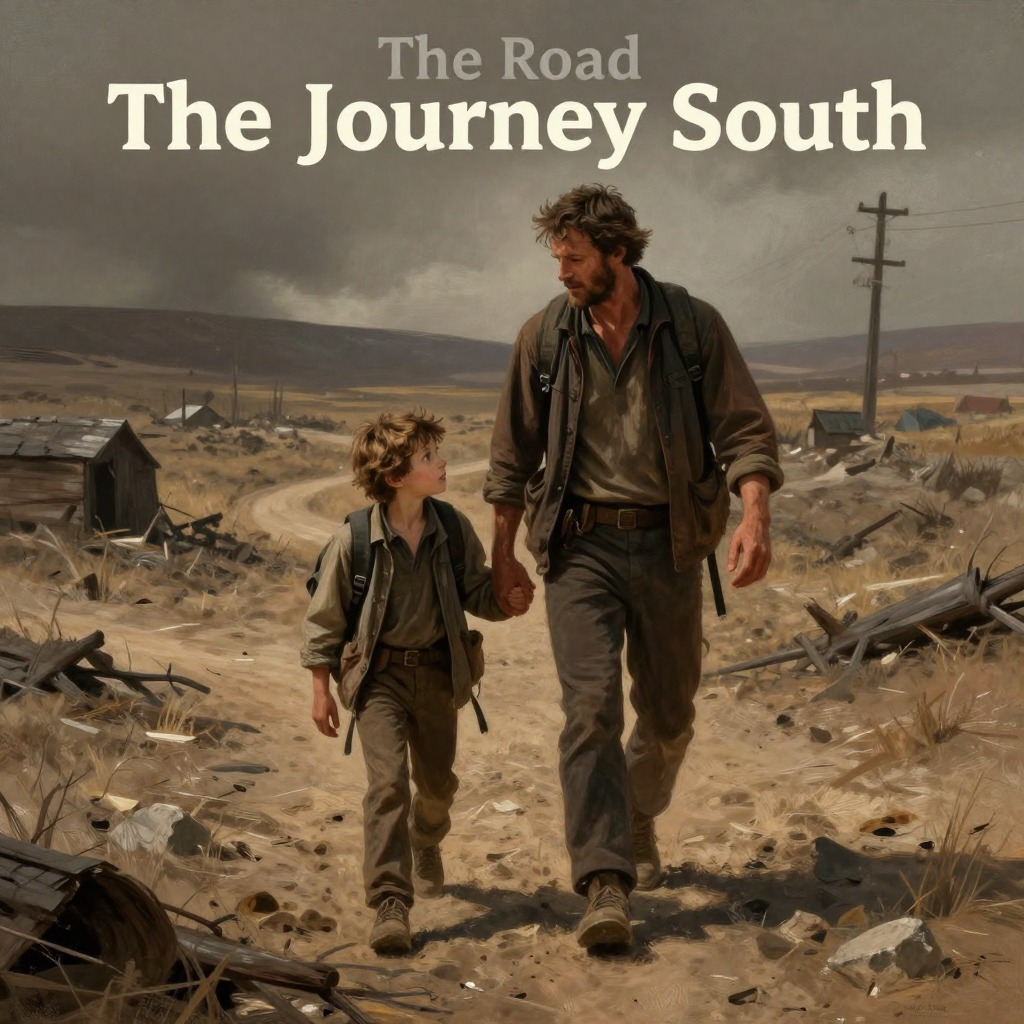
The boy is the central figure of Cormac McCarthy's The Road, a child born into a post-apocalyptic world of ash and ruin. He is the moral compass of the narrative, the keeper of the 'fire,' and the sole reason his father continues to struggle for survival. His journey from a dependent, frightened child to a compassionate, morally resolute individual who ultimately chooses to trust a new family forms the emotional and ethical core of the novel.
Identity and Introduction
The boy is introduced as a sleeping child in the woods, his father reaching out to touch him in the dark, feeling his breath rise and fall. He is the man's "warrant," the reason for his existence, and the one who, if he is not the word of God, means God never spoke. The boy is physically frail, described as having a "strange beauty" with a "taut face and hollow eyes," and is so thin that it stops his father's heart. He was born in the early days of the catastrophe, delivered by his father by the light of a dry-cell lamp, his cries meaning nothing to the man beyond the window where the fires on the horizon gathered. From the outset, the boy is defined by his relationship to his father, each being "the other's world entire."
Arc Through the Plot
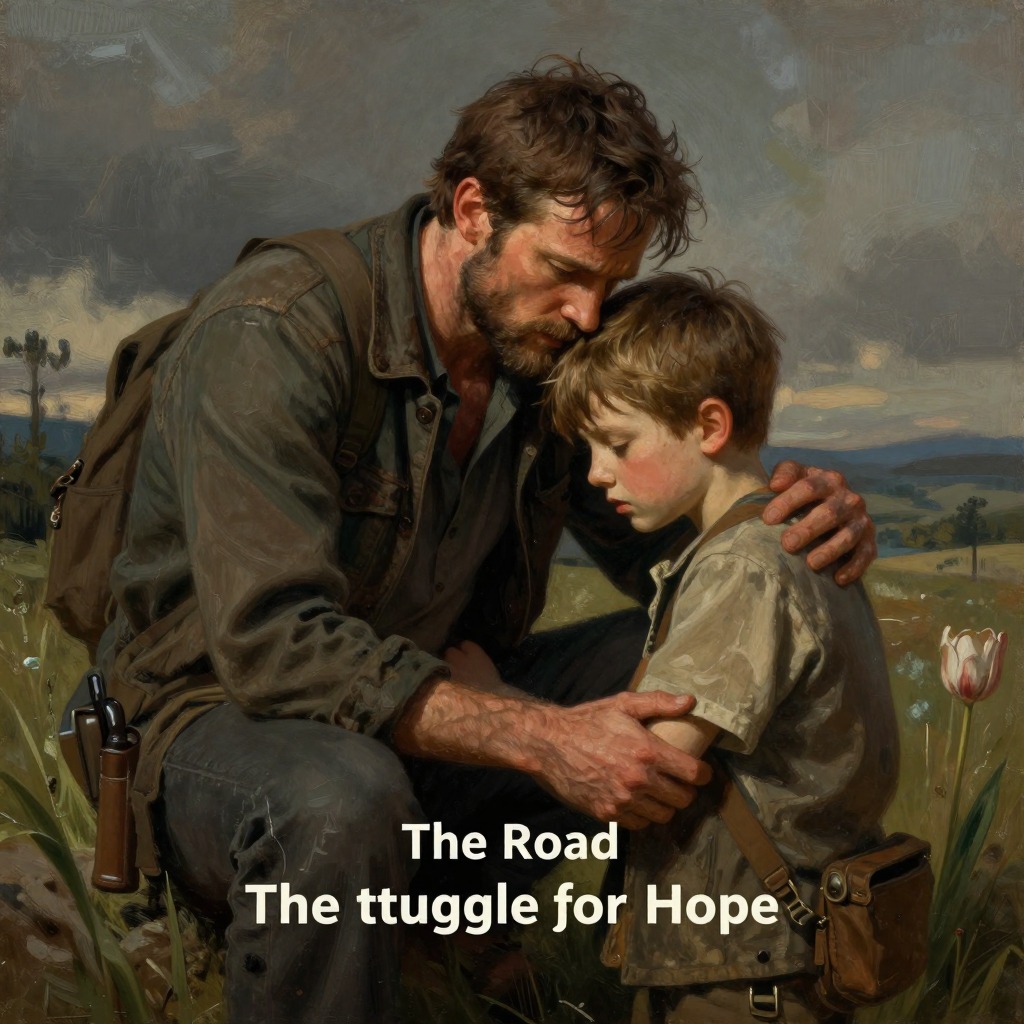
The boy's journey is one of progressive exposure to horror and moral testing. He begins as a dependent child, asking simple questions about death and the world. He learns to be vigilant, to hide, and to run. He witnesses his father kill a man who threatens them, and later, he is forced to confront the reality of cannibalism, the sight of a charred infant on a spit causing him to bury his face in his father's coat. He experiences profound fear, hiding in the woods while armed men pass, and suffers a severe illness from which his father nurses him back to health. Throughout these trials, the boy's core compassion never breaks; he weeps for a lightning-struck man they cannot help, begs his father to help a thief they have disarmed, and worries about a little boy he glimpsed in a town. This compassion becomes a point of conflict with his father, who is driven by a more pragmatic survival instinct. The boy's arc culminates in his father's death, after which he must make the ultimate choice: to stay with his father's body or to go on alone. He chooses to go on, and when a stranger appears, he asks the defining question: "Are you one of the good guys?"
Relationships and Conflict
The boy's primary relationship is with his father, a bond of absolute love and dependence. The man is his protector, teacher, and sole companion. The boy's greatest fear is being left alone, and he makes his father promise never to leave him. This relationship is tested by the boy's growing moral independence. He challenges his father's decisions, arguing for the life of the thief and insisting they are "the good guys" who "wouldnt ever eat anybody." The boy also carries the memory of his mother, who committed suicide when he was very young. He tells his father he wishes he were with her, a confession that reveals a deep, unspoken grief. The boy's compassion extends to strangers, creating a central ethical tension with his father's more cautious, survival-first approach. He is the one who insists on helping the old man Ely, giving him food, and he is the one who weeps for the thief they have stripped and left to die.
Change and Ending
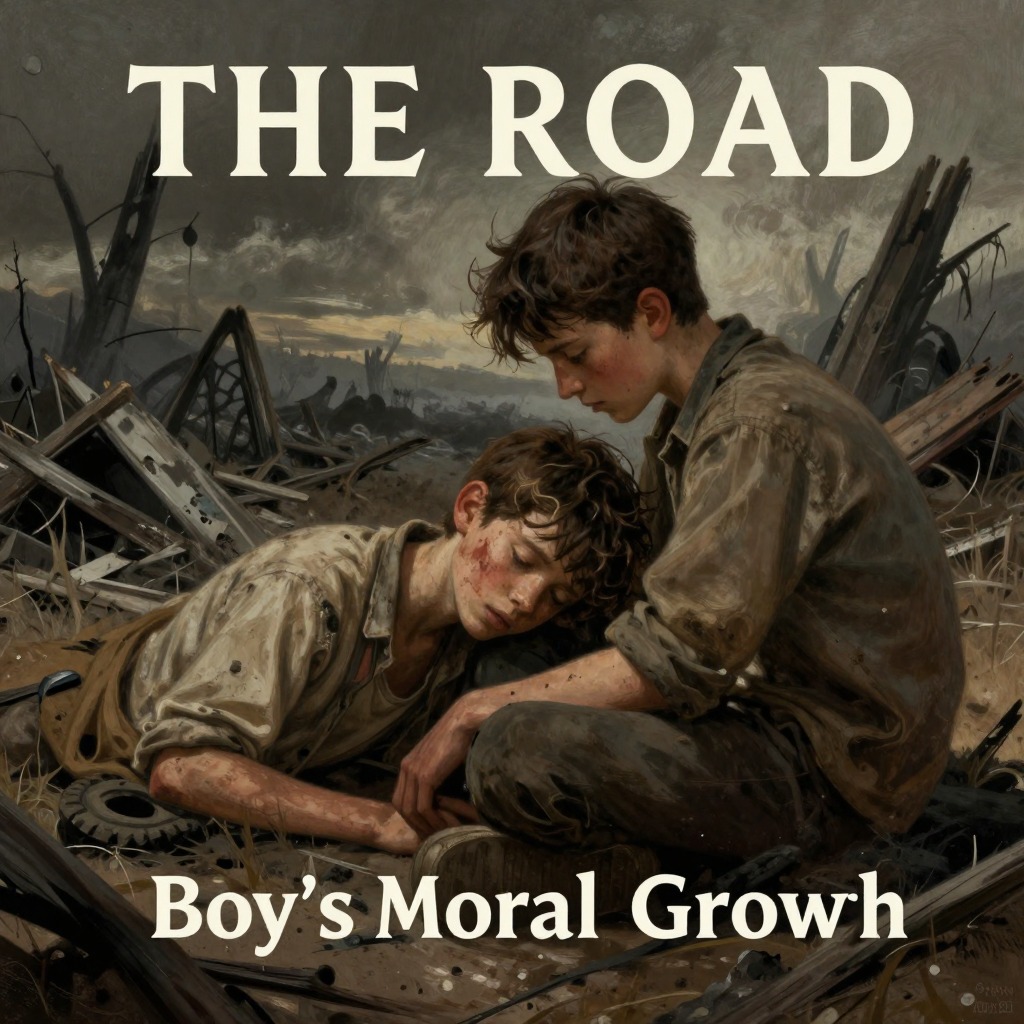
The boy's most significant change occurs after his father's death. He is left alone, cold and hungry, but he does not give up. He stays with his father's body for three days, talking to him, before walking out to the road. When a man appears, the boy does not run. He stands his ground, pistol in hand, and asks if the man is "carrying the fire." This question, which the man does not initially understand, is the boy's own test of goodness. The man, a veteran of old skirmishes, tells the boy he has a family with a little boy and a little girl, and that they do not eat people. The boy chooses to trust him. He goes back to say goodbye to his father, whispering that he will talk to him every day and will not forget. He then goes with the new family, where the woman holds him and tells him that the breath of God is his breath yet. The boy's ending is not a return to a lost world, but an integration into a new, fragile community, carrying the fire of his father's love and his own moral code into an uncertain future.
Thematic Significance
The boy is the embodiment of the novel's central themes: goodness, hope, and the transmission of moral values in a world stripped of all social structures. He is the "fire" that his father speaks of, the internal flame of compassion and humanity that must be kept alive. His insistence on being "the good guys" and his refusal to accept the world's cruelty as a justification for his own actions provide the novel's only ethical counterweight to the despair of the landscape. The boy's survival and his choice to trust a new family suggest that goodness, however fragile, can persist and be passed on. The final image of the novel, the memory of brook trout in mountain streams, is a vision of a world that was, but the boy's story—his choice to go on, to talk to his father, and to join the good guys—offers a tentative, hope-filled coda to the narrative of destruction.